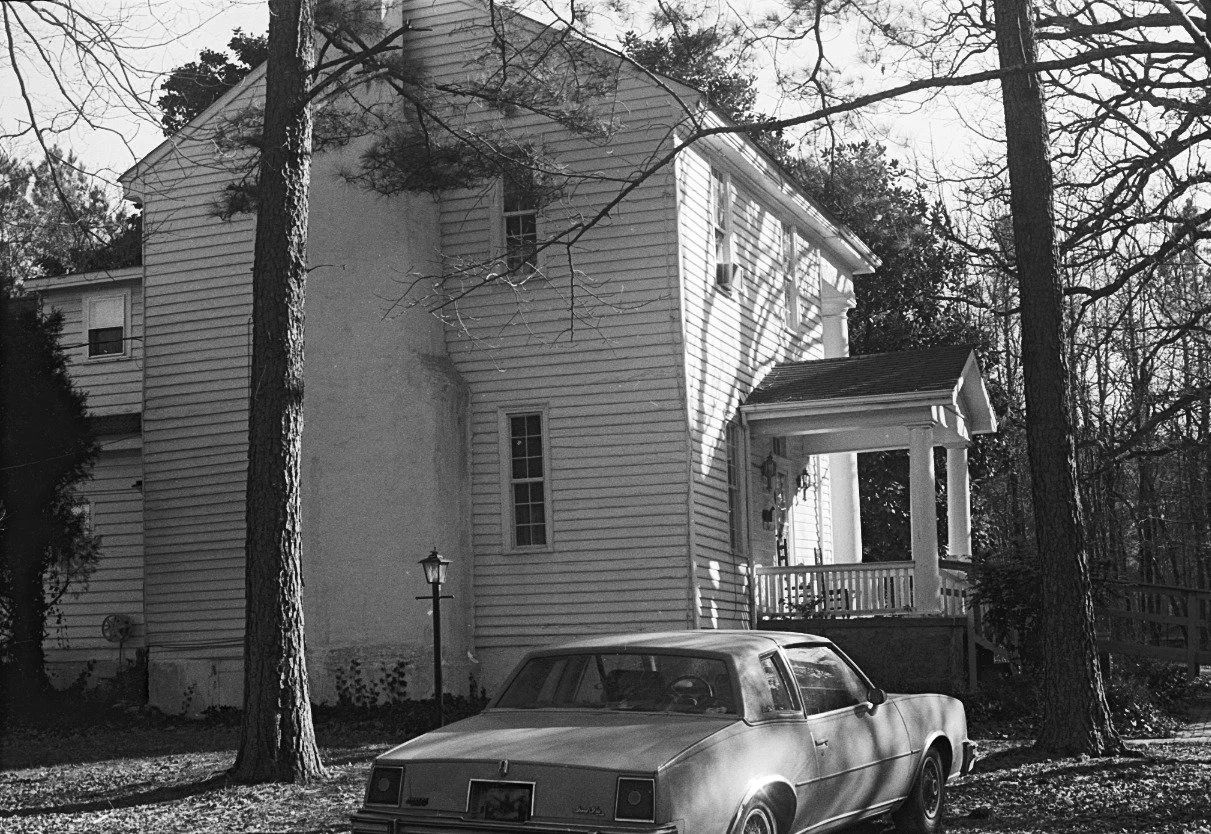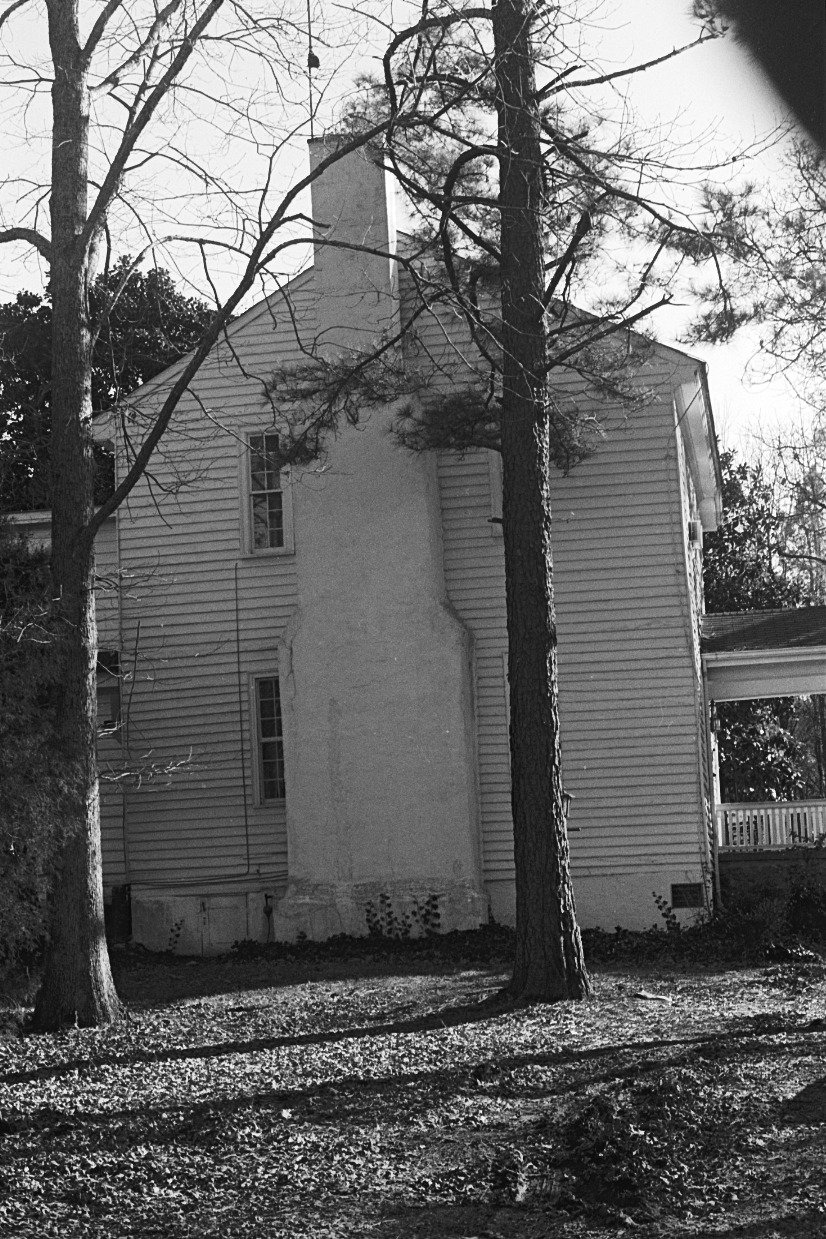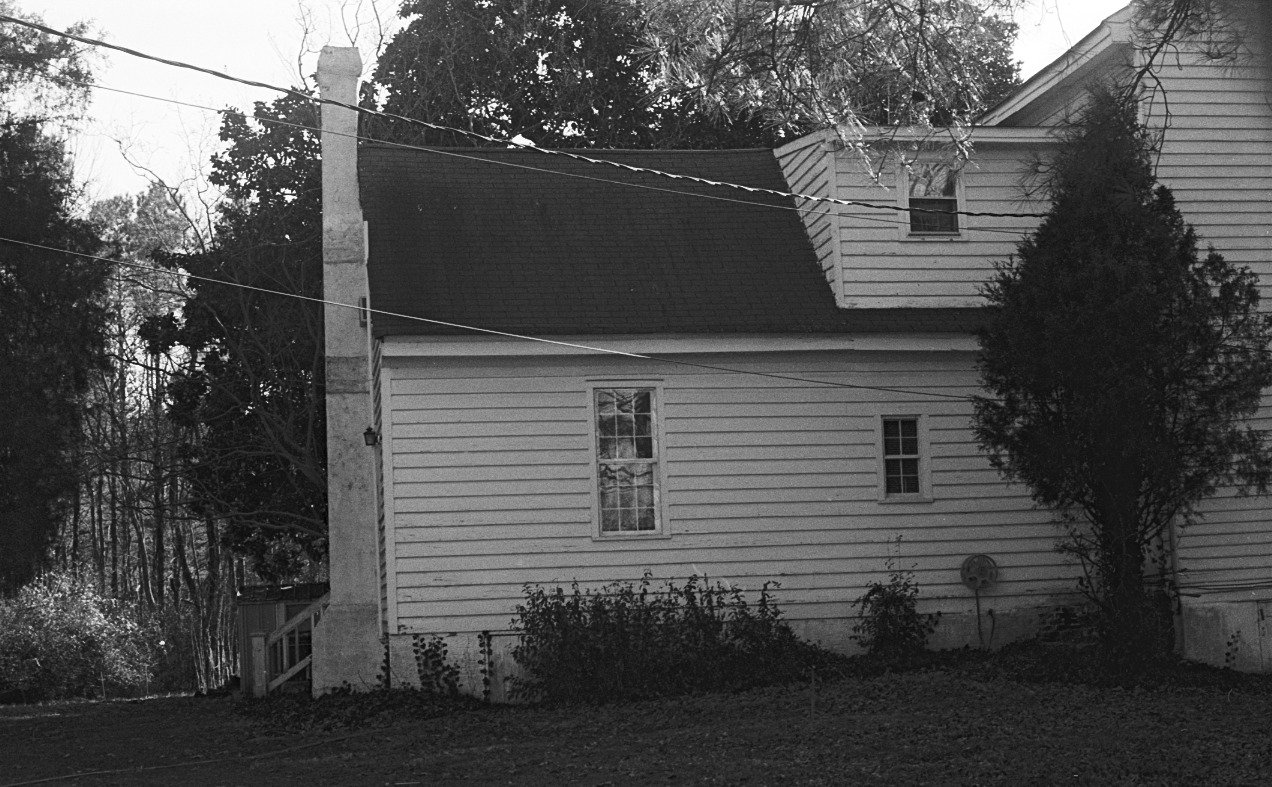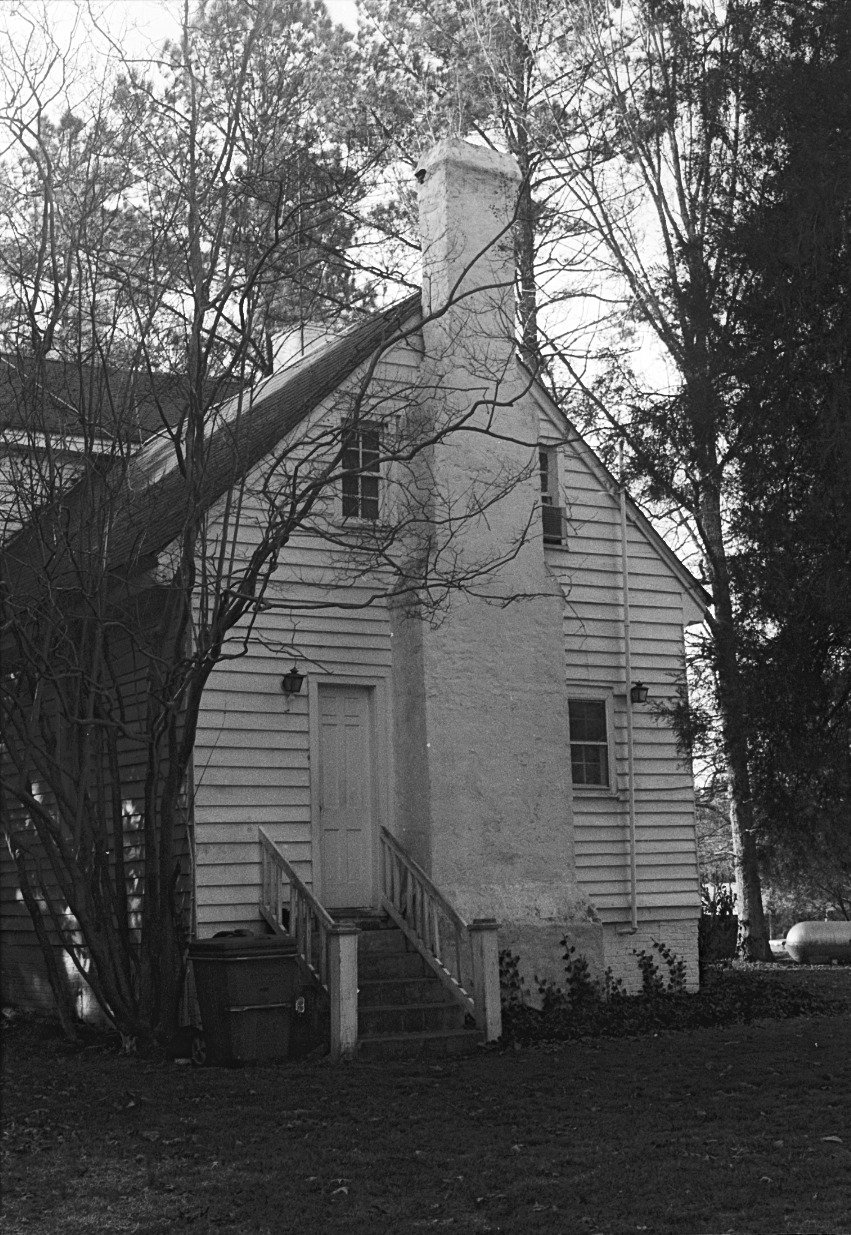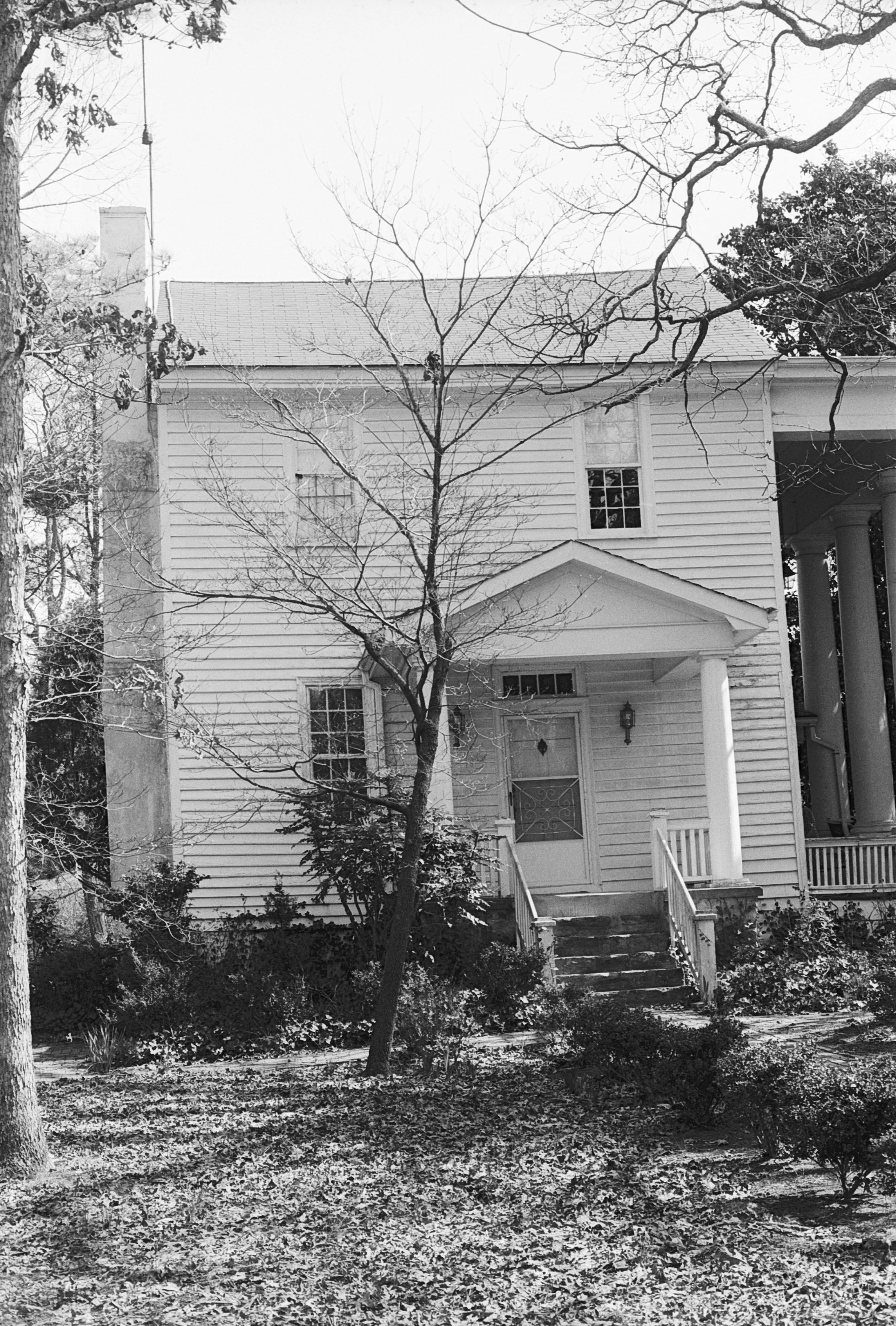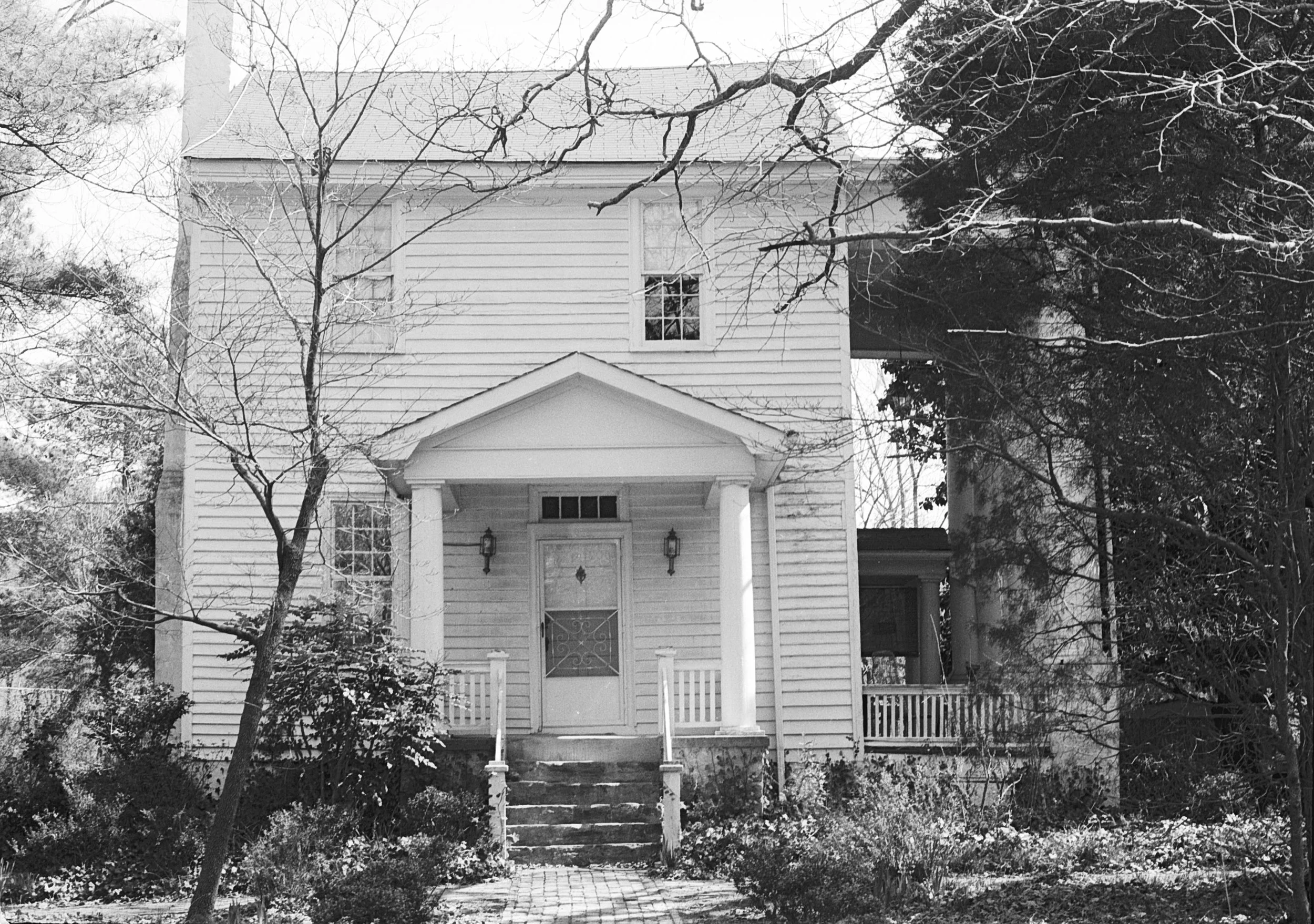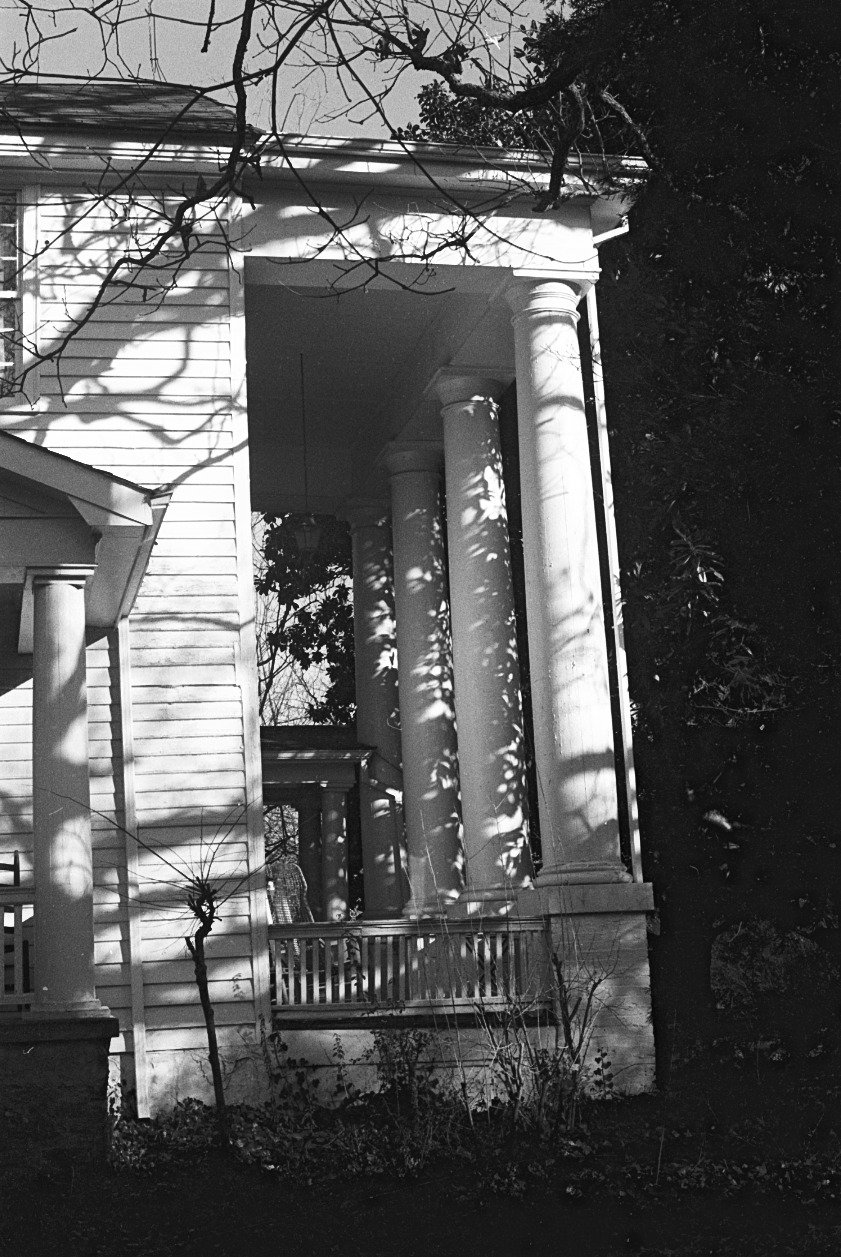
Where the Story Began
Historic deeds, family lineage, and the early foundations of the estate. Preserving the story of the land and those who shaped it.
Stewardship Across Generations
Long before modern roads, county lines, and private ownership, the lands surrounding present-day Garner existed within broader Indigenous cultural landscapes connected to Native communities throughout the Piedmont and eastern regions of North Carolina. Any complete understanding of this place begins with acknowledging the generations of Indigenous stewardship that shaped the region long before colonial settlement.
By the eighteenth century, the surrounding area became increasingly tied to early settlement patterns and agricultural expansion throughout Wake County. Historic records and regional research connect portions of the surrounding landscape to the Whitaker family, one of the prominent early landholding families associated with the development of southern Wake County.
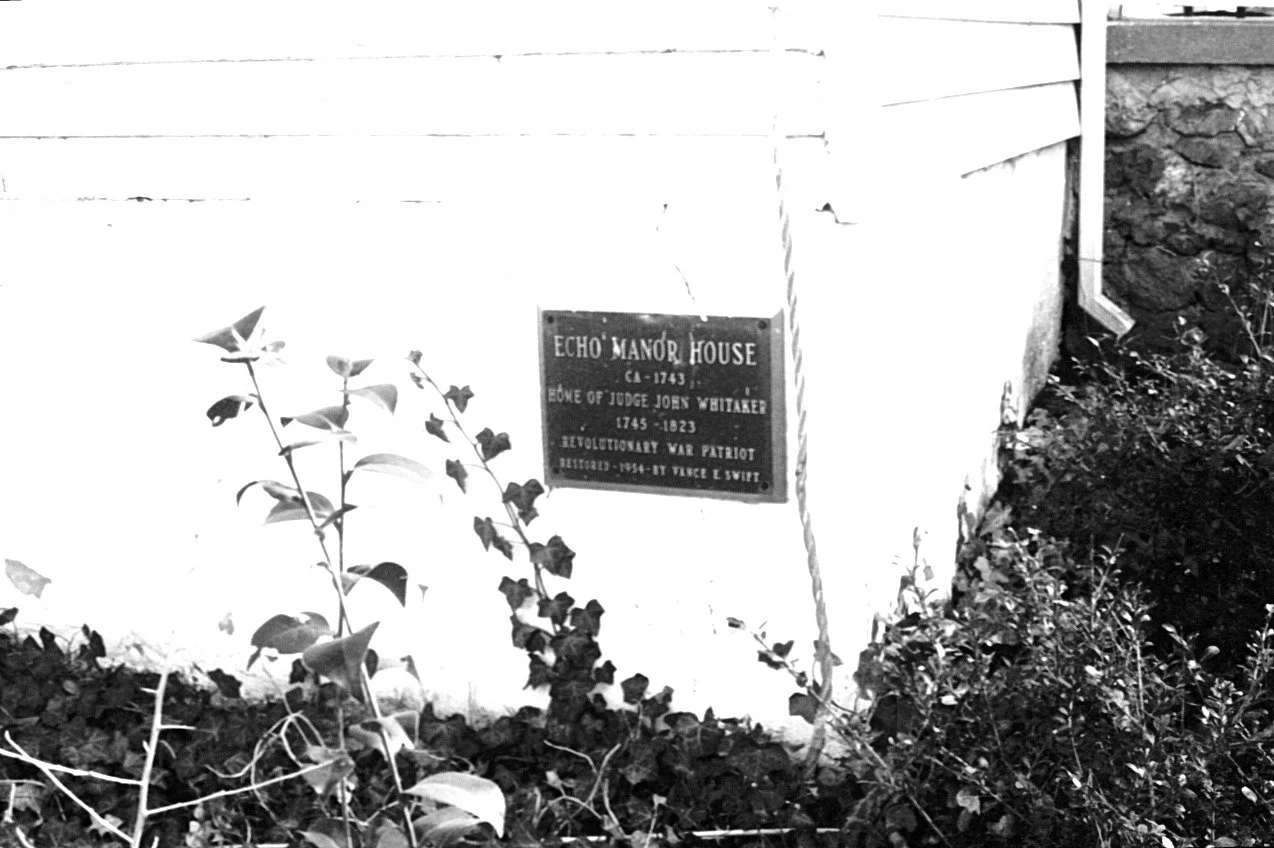
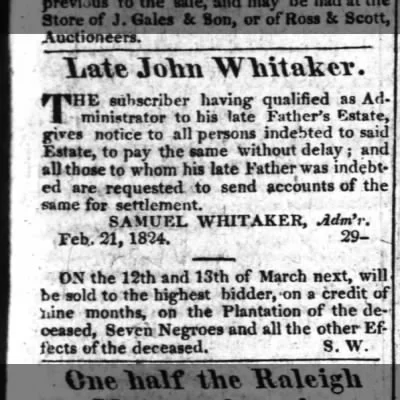
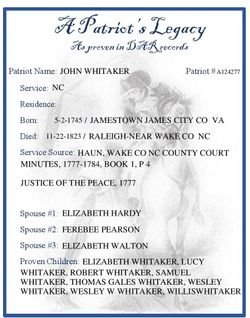
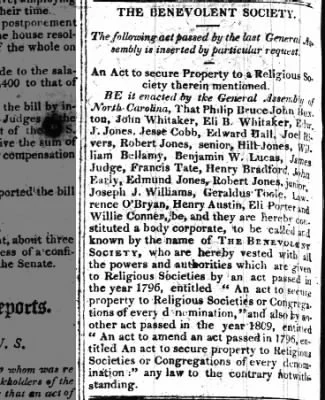
Colonel John Whitaker, identified in historical and archival records as a Revolutionary War patriot and former Justice of the Wake County Court, was associated with extensive landholdings and economic operations that included a tannery, lumber mill, brickyard, and turpentine production. These industries reflect the scale and influence of plantation-era agricultural systems operating throughout the region during the eighteenth and nineteenth centuries.
Research connected to Echo Manor Plantation, a historically documented Whitaker-associated estate, suggests that surrounding parcels may have emerged from larger plantation land systems that evolved through generations of subdivision and transfer. Early nineteenth-century deed records currently serve as some of the strongest documentary anchors associated with the broader landscape surrounding the property today.
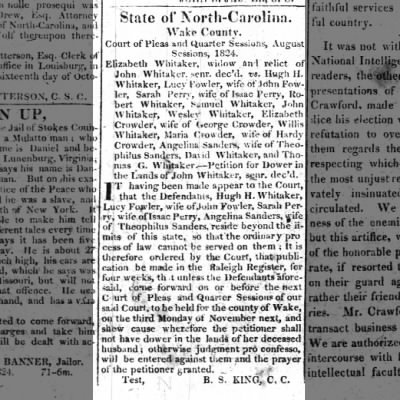
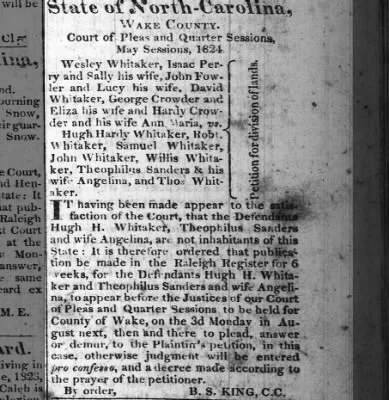
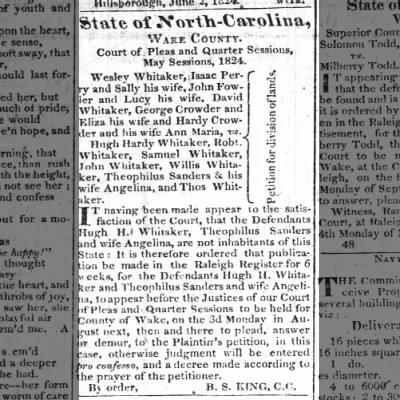
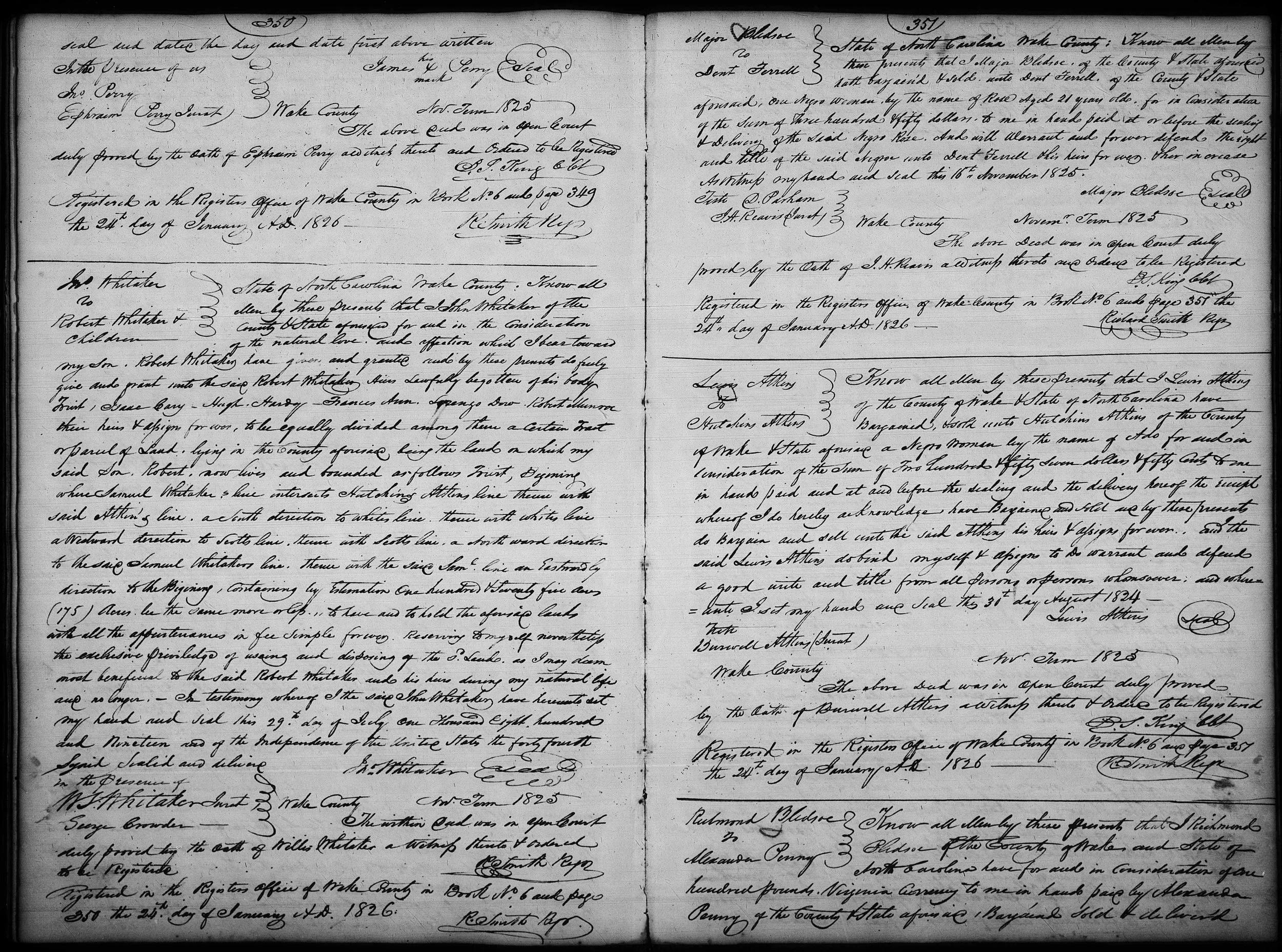
An 1819 deed, later recorded in 1826, documents the transfer of land from John Whitaker to the heirs of Robert Whitaker and represents one of the earliest confirmed land-transfer records currently associated with the project’s historical investigation. While ongoing chain-of-title research continues to determine the precise relationship between those earlier tracts and the modern parcel at 100 Lager Lane, the records provide important evidence of the broader historical landscape from which the property emerged.
Like many agricultural systems throughout North Carolina during this period, plantation operations across the region were deeply connected to enslaved labor. Existing federal slave schedules and regional historical records acknowledge the realities of slavery embedded within the economic systems that shaped much of early Wake County. While parcel-specific records remain under active investigation, the interpretation of the property intentionally acknowledges this history as part of understanding the land honestly and responsibly.
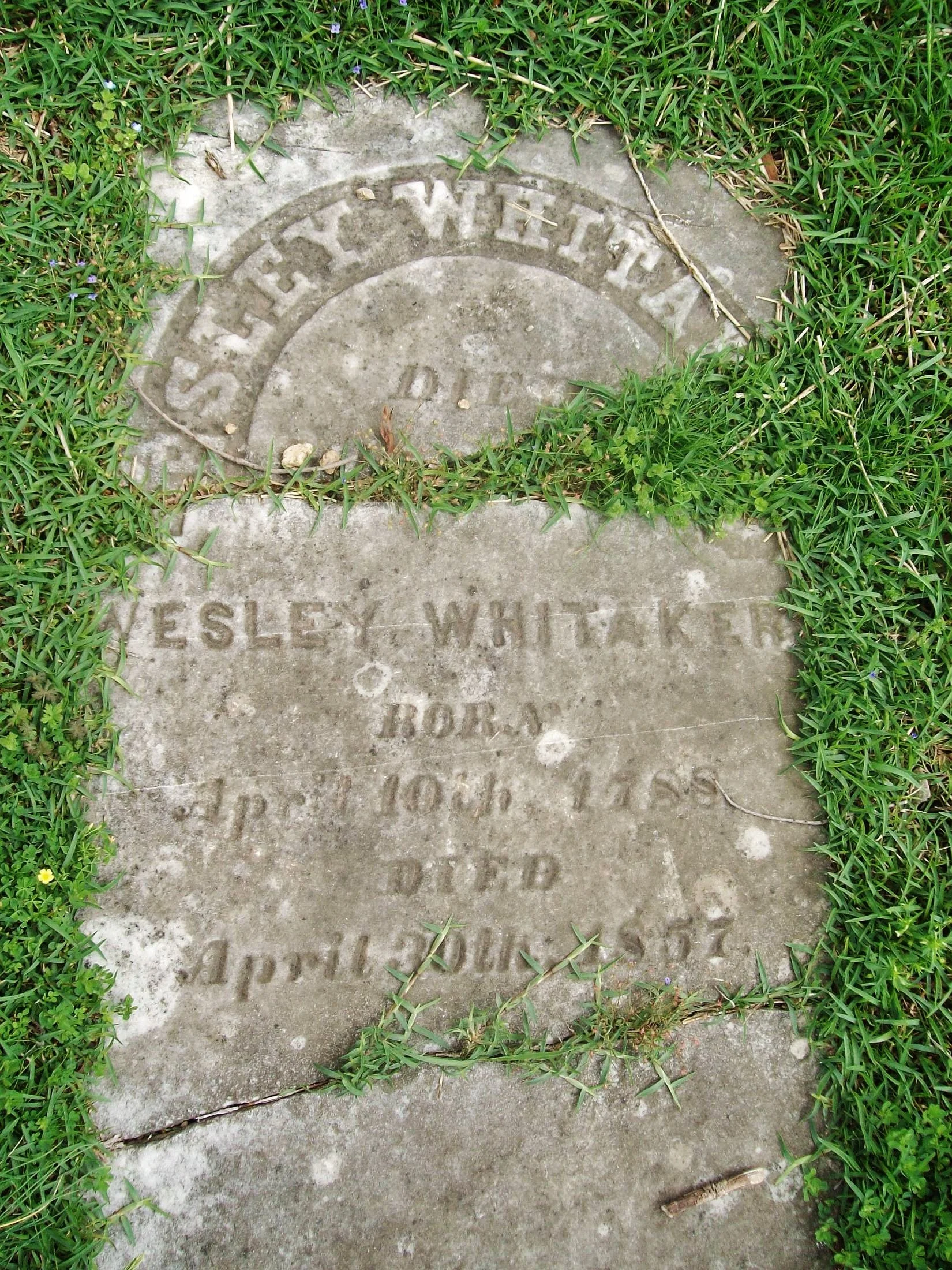
The Whitaker Family
The Historical Foundation of the Land
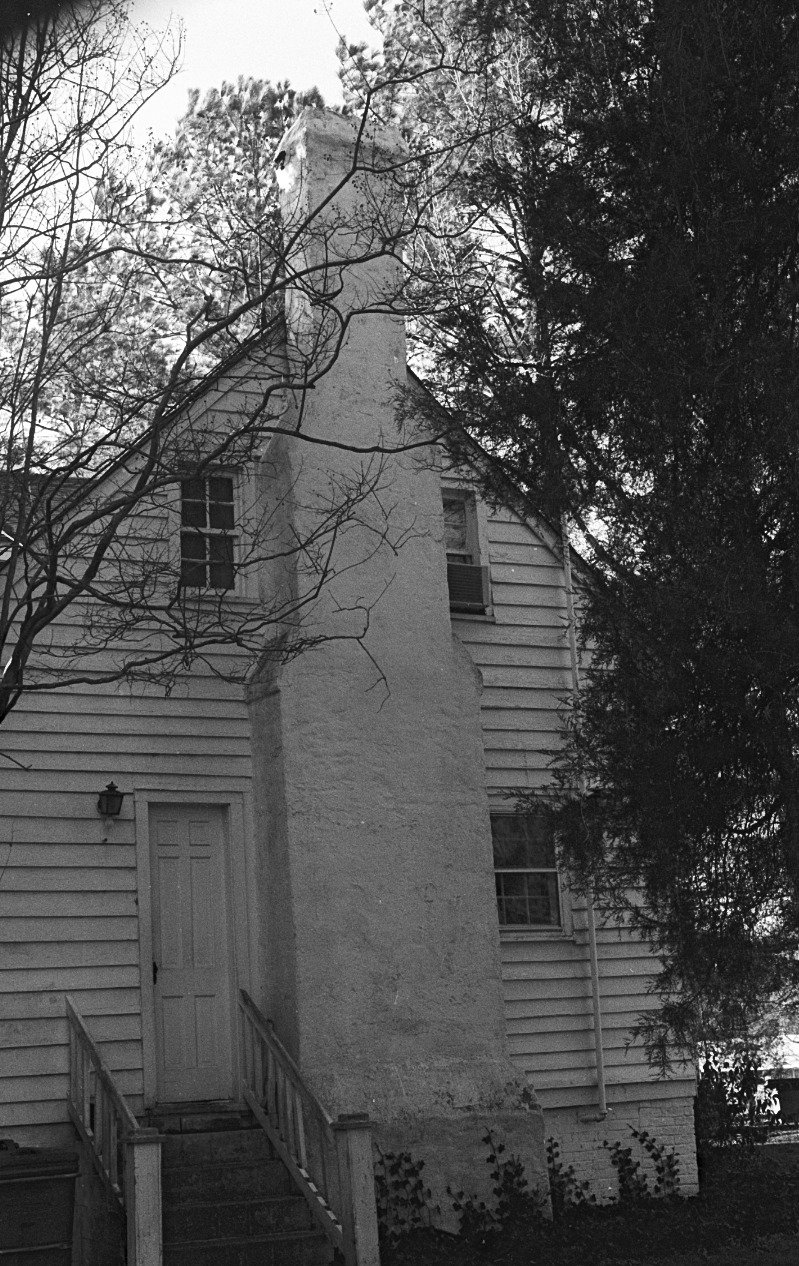
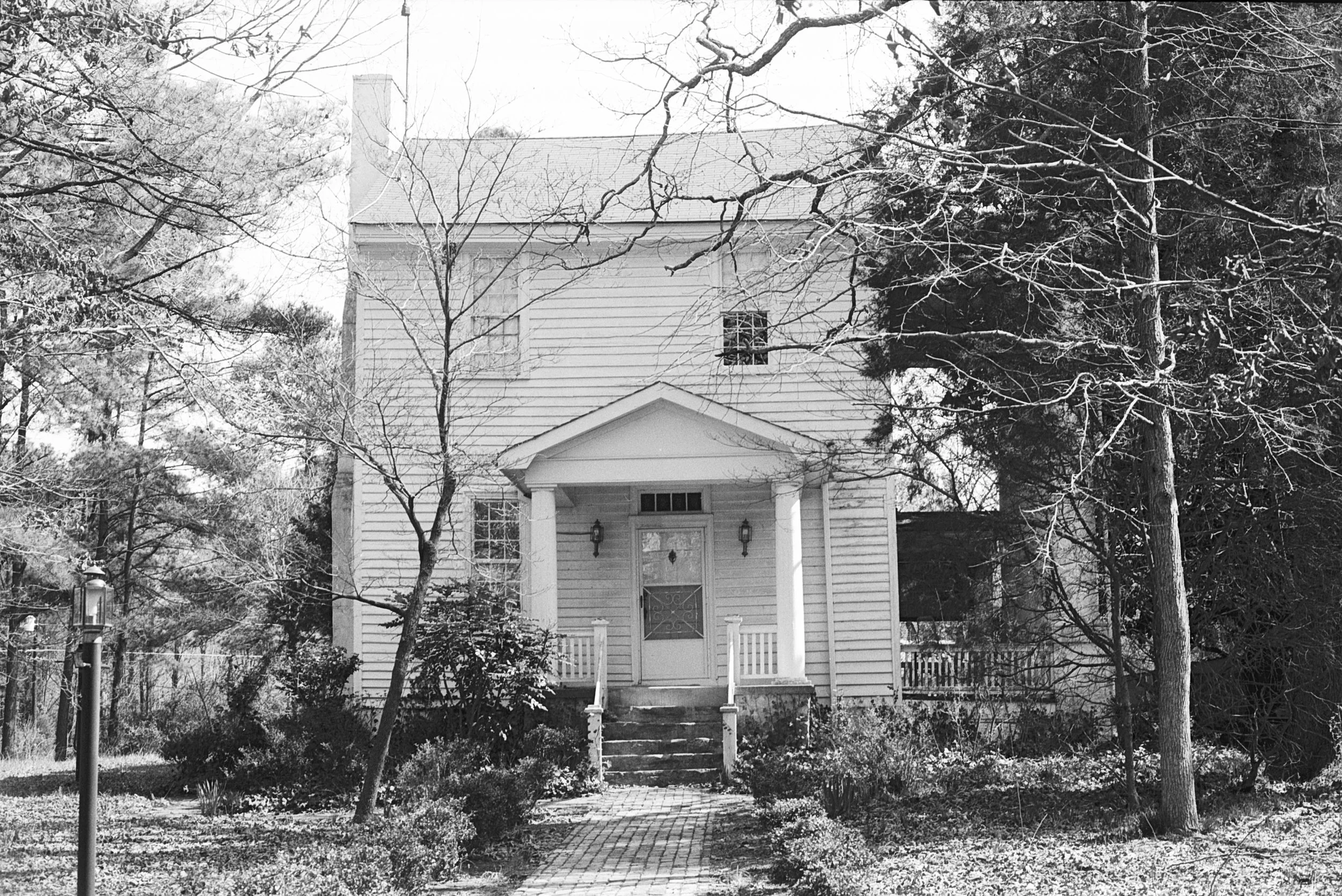
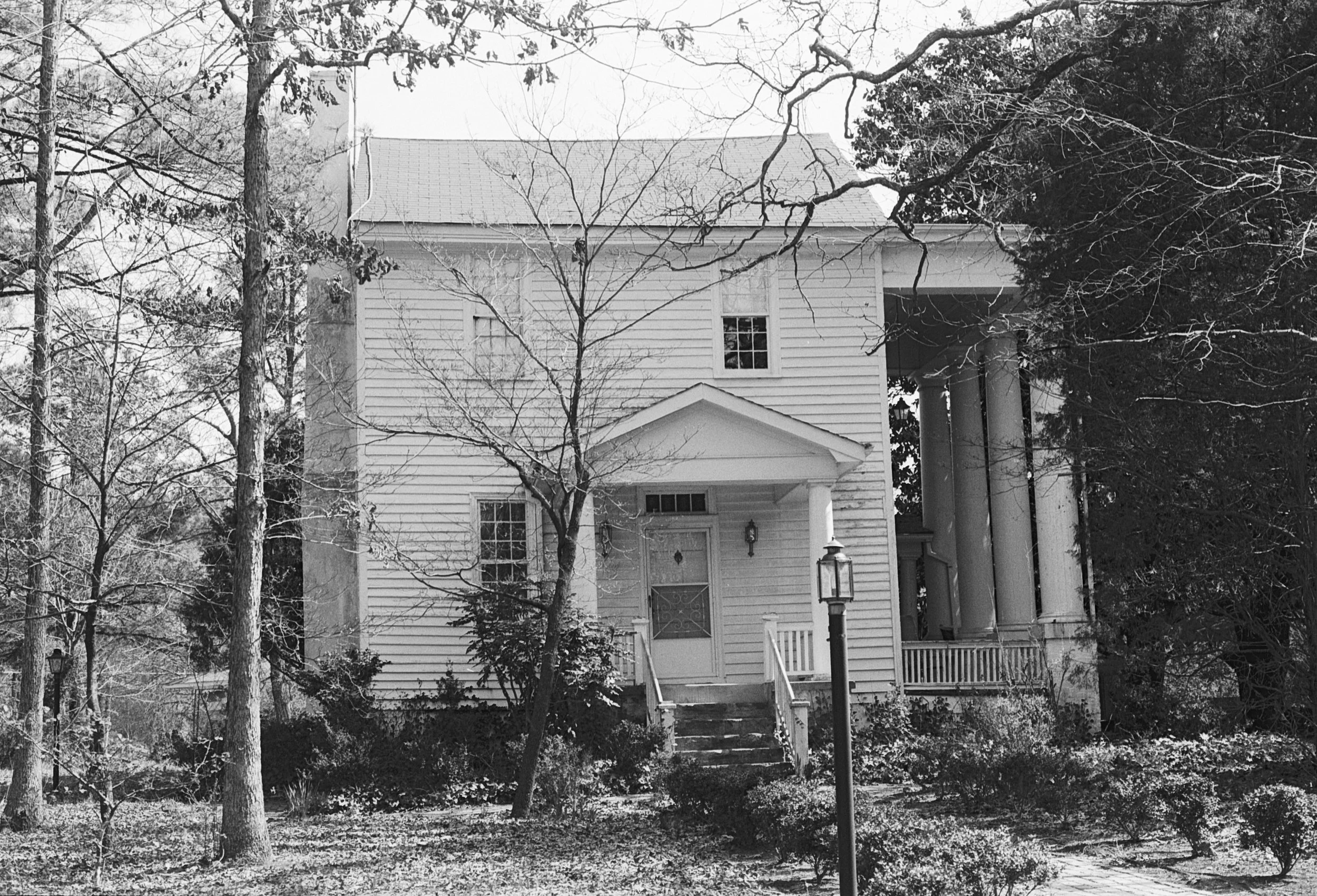
Olde Stage Inne & Flower Farm exists within a landscape historically connected to Echo Manor Plantation, one of the early plantation-era estates associated with the Whitaker family in southern Wake County. Ongoing archival research, land records, historical mapping, and genealogical documentation strongly support the property’s connection to the broader Echo Manor landholding system that shaped much of the surrounding region during the eighteenth and nineteenth centuries.
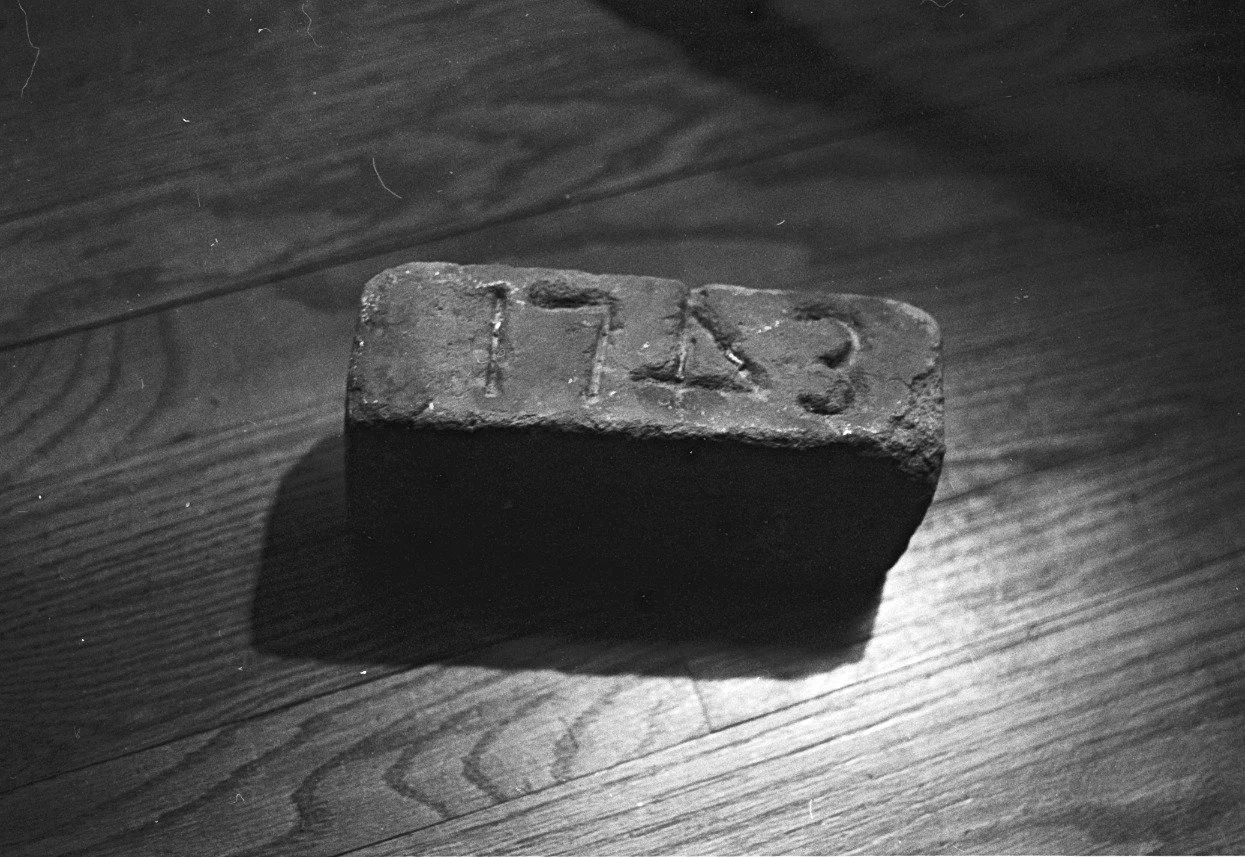
Historical research traces Echo Manor Plantation to the mid-eighteenth century, with land grants associated with the Whitaker family recorded as early as 1741. The plantation operated as a large agricultural and industrial estate system tied to early Wake County development and regional transportation networks connected to the Old Fayetteville Stage Road corridor.
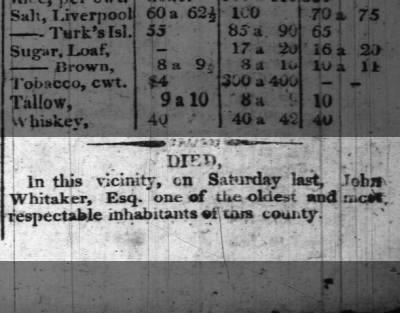
At the center of this history stands Colonel John Whitaker Sr. (1745–1823), a Revolutionary War patriot, Justice of the Wake County Court, and one of the most historically significant landholders associated with the region. Archival findings connect the Whitaker estate to operations that included a tannery, brickyard, lumber mill, and turpentine production, reflecting the scale and economic influence of Echo Manor Plantation during the colonial and early national periods.
Early maps further reinforce the connection between the surrounding landscape and the Whitaker estate system. Cartographic records, including the historic 1808 Price–Strother map of North Carolina, identify portions of the surrounding area as “Col. Whitaker’s,” offering important geographic context for understanding the historical reach of Echo Manor Plantation across this corridor of Wake County.
One of the strongest documentary anchors connected to the property is an early nineteenth-century land conveyance documenting the transfer of land from John Whitaker to the heirs of Robert Whitaker. This deed, recorded between 1819 and 1826, reflects the subdivision and redistribution of plantation lands through generations of the Whitaker family and serves as a significant piece of evidence in tracing the evolution of the modern estate.
Like many plantation systems throughout North Carolina during this period, Echo Manor existed within the realities of enslaved labor and plantation-era agriculture. Historical interpretation of the land intentionally acknowledges these histories as part of understanding the property honestly and responsibly. Ongoing research continues to investigate enslaved population records, estate inventories, agricultural systems, and land transfers connected to the plantation and surrounding region.
Over generations, the land evolved from plantation holdings to agricultural farmland, transportation corridor, rural homestead landscape, and eventually into the botanical and preservation-focused estate that exists today. The transformation of Echo Manor’s land reflects the broader evolution of North Carolina itself — shaped by agriculture, movement, labor, stewardship, and continual reinvention across centuries.
Today, Olde Stage Inne & Flower Farm carries that history forward through preservation, floriculture, education, restoration, and thoughtful stewardship of the land once connected to Echo Manor Plantation.
Gallery



The Stage Road Corridor
Travel, Exchange & Community
The property exists within the historic Old Stage Road corridor, a transportation route historically associated with travel between Raleigh and Fayetteville during the early nineteenth century.
Historical and cultural resource documentation describes the surrounding area as part of an important stage-era corridor where roads connected travelers, trade networks, farms, mills, churches, schools, post offices, and small rural communities across central North Carolina.
As transportation routes expanded throughout the region, properties along stage roads commonly served practical functions for travelers and surrounding communities. Inns, taverns, post offices, and roadside stops emerged near these corridors to support transportation, commerce, communication, and agriculture.
Regional historical evidence strongly supports the presence of inns and post office activity throughout the Old Stage Road landscape. Nearby National Register documentation references adjacent properties historically functioning as inns during the late eighteenth and early nineteenth centuries, while postal records identify nearby historic post office operations connected to the broader area.
The name Olde Stage Inne reflects this historic transportation landscape and the property’s relationship to the surrounding corridor. Ongoing archival research continues to investigate whether the property itself directly functioned as an inn, post office, or traveler’s stop during earlier eras of operation.
Today, the road remains one of the strongest physical connections between the property’s past and present. What once connected travelers, trade, and communication now continues to connect community, preservation, hospitality, and cultivation.
Timeline of the Land
Before Colonial Settlement
Indigenous communities stewarded and traveled throughout the broader Piedmont region for generations prior to European settlement, shaping trade routes, ecological systems, and cultural landscapes across central North Carolina.
1740s
Historical traditions associated with the Whitaker family and Echo Manor Plantation trace portions of the surrounding landholding system to the mid-eighteenth century.
1808
The Price–Strother map of North Carolina documents the broader Wake County landscape during the early national period and provides important cartographic context for transportation routes and settlement patterns connected to the property’s region.
1819–1826
A Whitaker deed documenting land transferred from John Whitaker to the heirs of Robert Whitaker becomes one of the earliest confirmed land-transfer records currently associated with the project’s historical investigation.
Early–Mid 1800s
The Old Fayetteville Stage Road corridor expands as a regional transportation route supporting agricultural trade, travel, inns, post offices, mills, and rural communities throughout southern Wake County.
1892–1901
Historical postal records identify nearby post office operations connected to the surrounding corridor and regional transportation systems.
20th Century
The surrounding landscape remains largely agricultural and rural even as growth expands throughout Wake County. Farming, homestead life, and land stewardship continue to shape the property and surrounding region.
1964
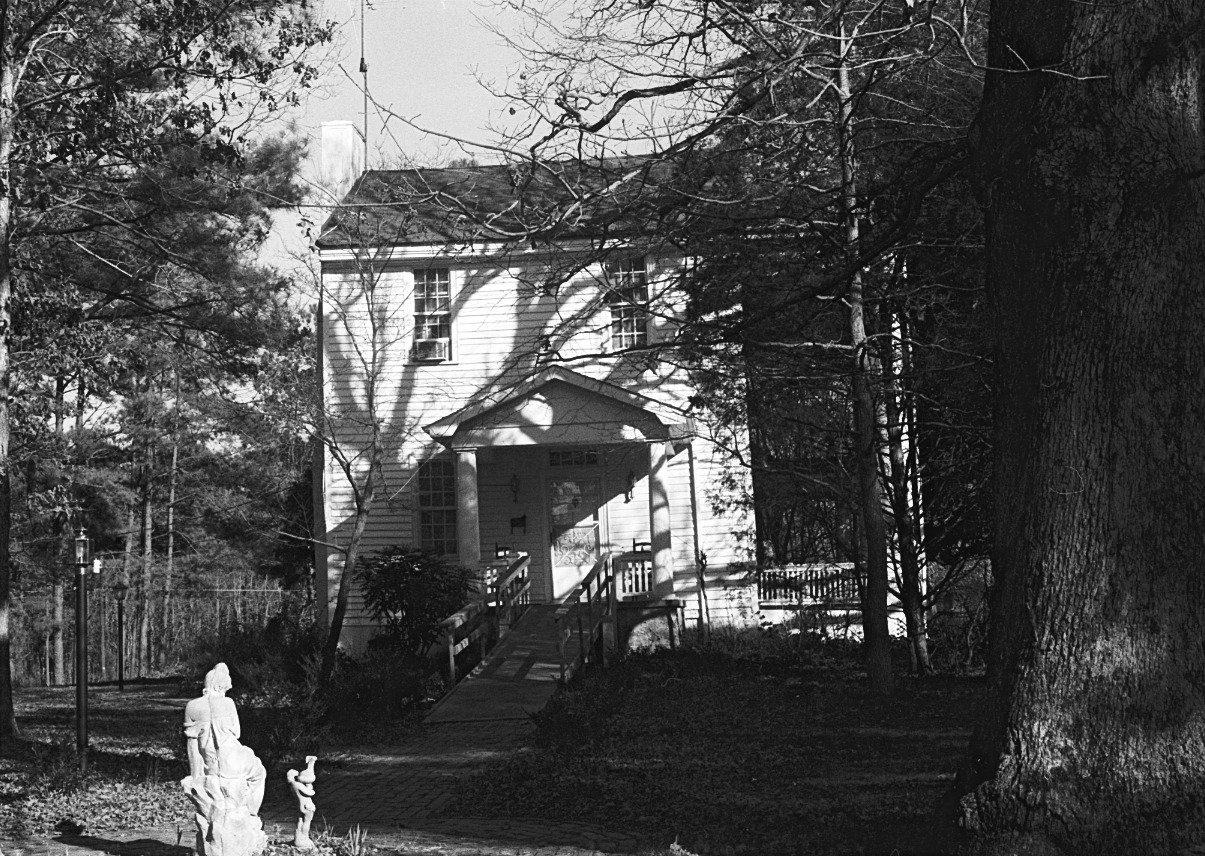
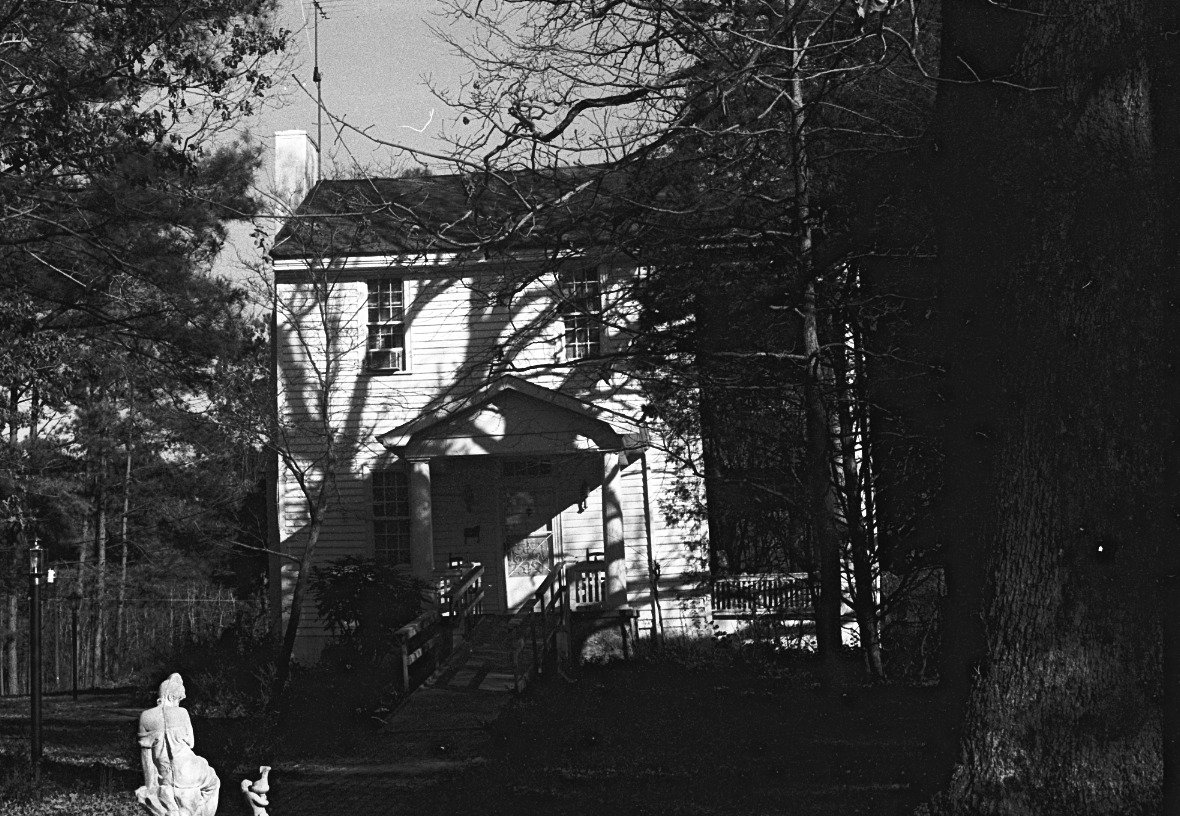
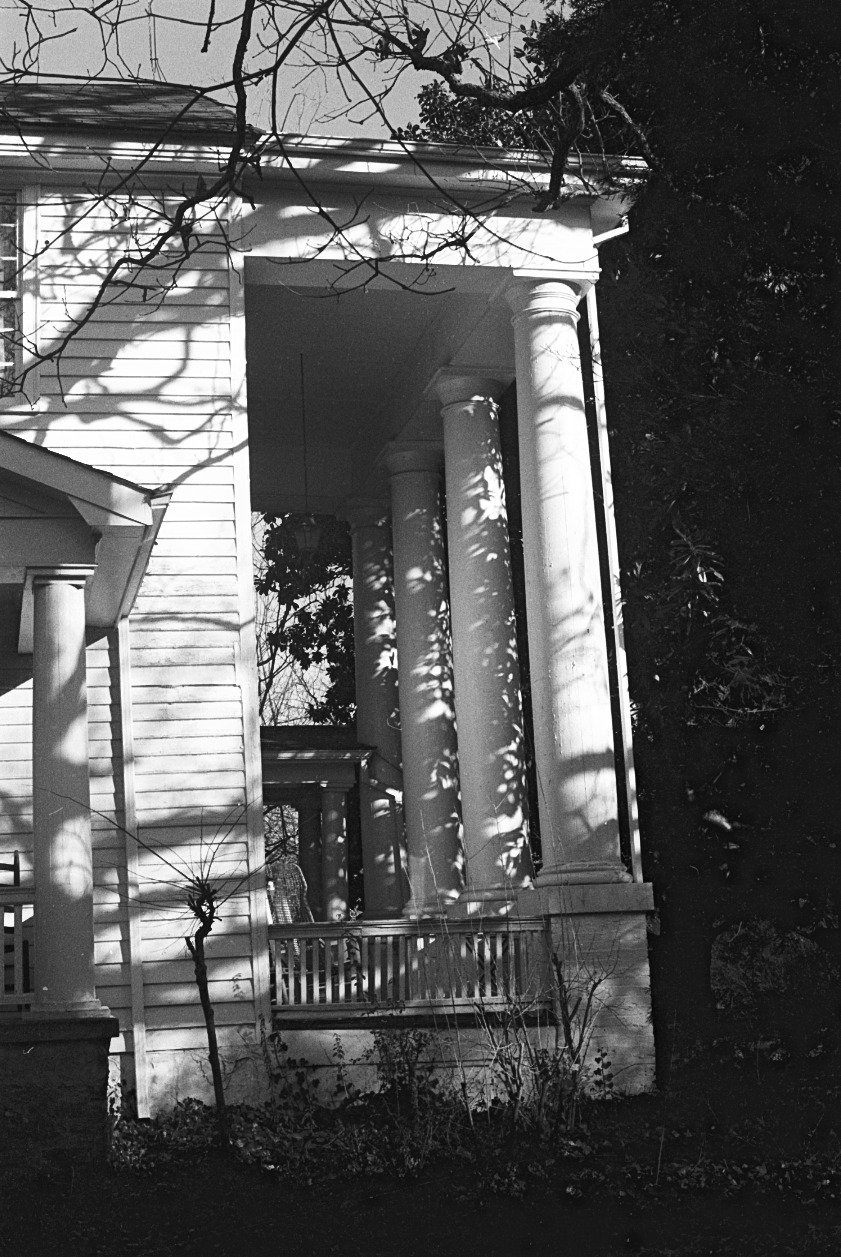
A Raleigh Times article documents restoration and modernization efforts associated with the property during the mid-twentieth century, preserving portions of the structure and surrounding landscape during a period of transition.
Present Day
Olde Stage Inne & Flower Farm operates as a floral and botanical property focused on floriculture, preservation, gardens, and community-centered stewardship.
The Future
The property continues evolving through plans for expanded gardens, greenhouse cultivation, educational partnerships, hospitality experiences, restoration efforts, and long-term preservation initiatives.